
Anti-EGFR mAb
| Therapeutic Class | Monoclonal Antibodies (mAbs) |
| Drug Class | EGFR-Targeting |
| Mechanism of Action | Anti-EGFR antibody |
| Drugs in group | Cetuximab· Necitumumab· Panitumumab |
Data: details & interpretation
“For anti-EGFR mAb a high rate of severe RTAEs was noted, including fatal carotid blowout. This could be due to the reirradiation setting, yet it remains uncertain to which extent cetuximab adds to the AEs.”
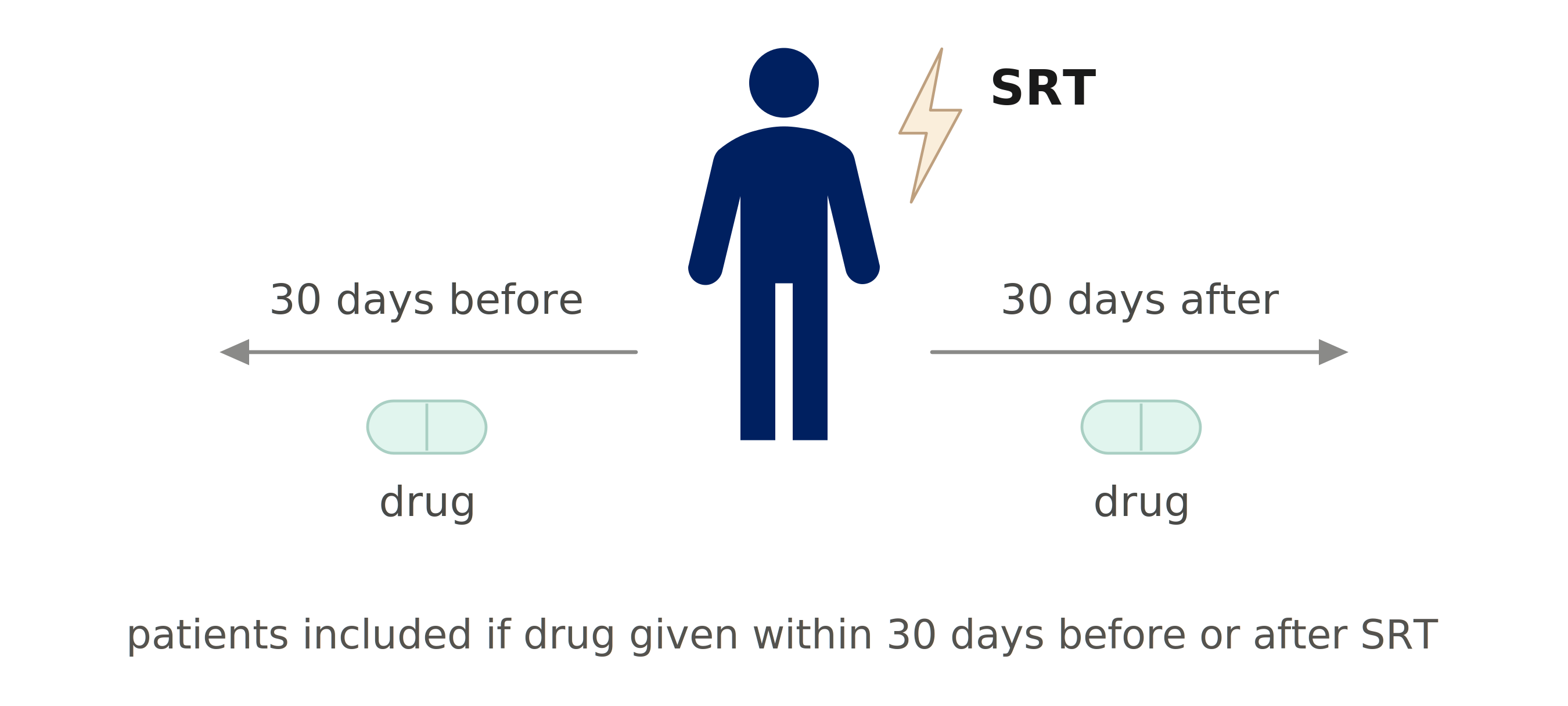
“For anti-EGFR mAb, seven studies[1-7] (three prospective and four retrospective) included 394 patients treated with cetuximab within one month of SRT (wmFUP: 9.4mo). Most patients (n=391; 99.2%) received SRT for head and neck reirradiation. The rate of acute hgRTAEs was 9.3% (13/140). Late hgRTAEs occurred in 13.6% (19/140) and included at least three treatment-related deaths. HgOAEs were reported in 15.7-18.1% (40-46/254).”
References (7)
- 1. Looman EL, Kroeze SGC, Schaule J, et al. Adverse Events After Metastases-Directed Stereotactic Radiotherapy and Biological Cancer Therapy. JAMA Netw Open. 2026/01/02/ 2026;9(1):e2553809. doi:10.1001/jamanetworkopen.2025.53809
- 2. Gebhardt BJ, Vargo JA, Ling D, et al. Carotid Dosimetry and the Risk of Carotid Blowout Syndrome After Reirradiation With Head and Neck Stereotactic Body Radiation Therapy. Int J Radiat Oncol Biol Phys. May 1 2018;101(1):195–200. doi:10.1016/j.ijrobp.2017.11.045
- 3. Lartigau EF, Tresch E, Thariat J, et al. Multi institutional phase II study of concomitant stereotactic reirradiation and cetuximab for recurrent head and neck cancer. Radiotherapy and oncology : journal of the European Society for Therapeutic Radiology and Oncology. Nov 2013;109(2):281–5. doi:10.1016/j.radonc.2013.08.012
- 4. Vargo JA, Ferris RL, Ohr J, et al. A prospective phase 2 trial of reirradiation with stereotactic body radiation therapy plus cetuximab in patients with previously irradiated recurrent squamous cell carcinoma of the head and neck. Int J Radiat Oncol Biol Phys. Mar 1 2015;91(3):480–8. doi:10.1016/j.ijrobp.2014.11.023
- 5. Quan K, Xu KM, Zhang Y, et al. Toxicities Following Stereotactic Ablative Radiotherapy Treatment of Locally-Recurrent and Previously Irradiated Head and Neck Squamous Cell Carcinoma. Semin Radiat Oncol. Apr 2016;26(2):112–9. doi:10.1016/j.semradonc.2015.11.007
- 6. Vargo JA, Heron DE, Ferris RL, et al. Examining tumor control and toxicity after stereotactic body radiotherapy in locally recurrent previously irradiated head and neck cancers: implications of treatment duration and tumor volume. Head Neck. Sep 2014;36(9):1349–55. doi:10.1002/hed.23462
- 7. Huang TL, Chuang HC, Tsai MH, et al. Stereotactic body radiotherapy plus cetuximab for previously irradiated un-resectable head and neck cancer. Biomed J. Oct 2022;45(5):838–846. doi:10.1016/j.bj.2021.10.013
Radiobiological rationale for RT–drug interaction
Select a drug to view its individual evidence base (drug + SBRT, no other concurrent systemic drugs). Drugs without available data are shown greyed out.