

Group
BiTE
Group Profile
| Therapeutic Class | Immunotherapy |
| Drug Class | bispecific T-cell engagers |
| Mechanism of Action | Bispecific T-cell engager |
| Drugs in group | Tarlatamab· Catumaxomab· Tebentafusp |
Study design
RT–Drug Timing Window
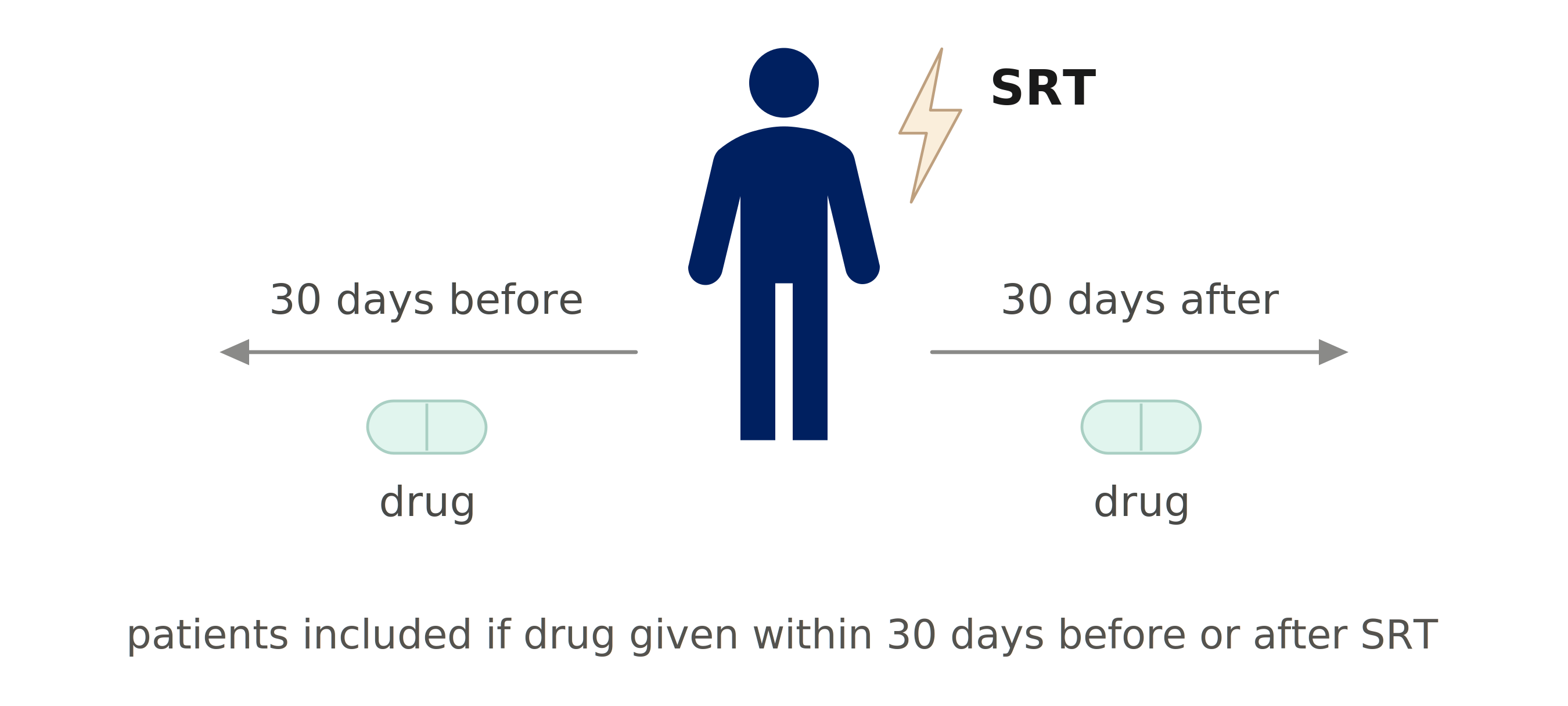
Study design
RT–Drug Timing Window
Data: details & interpretation
“One retrospective study[1] included 13 patients treated with SRT to various targets following initiation of tarlatamab. No hgRTAEs were reported.
In summary, data remains too limited to draw conclusions.”
References (1)
- 1. Kim D, Blocker S, Cavalieri CC, et al. Outcomes of Concurrent Radiotherapy With Tarlatamab in Extensive-Stage Small Cell Lung Cancer From the DLL3 PanTUMOR Database. Clin Lung Cancer. 2026/01/30/ 2026:S1525–7304(26)00017–3. doi:10.1016/j.cllc.2026.01.007
Radiobiological rationale for RT–drug interaction
Theoretical immune synergy (RT reinvigorates T cells, ↑antigen/infiltration); no DNA-level sensitization (Lu and Deng, Journal of Clinical Investigation, 2026; Ababneh et al., Radiotherapy and Oncology, 2026). The relevant theoretical risk is amplified cytokine-release/neurological adverse events from immune activation rather than in-field radiation adverse events.
The data above refer to patients treated with BiTE as the sole drug class,
excluding any concurrent use of drugs from other groups.
Individual Drugs
Select a drug to view its individual evidence base (drug + SBRT, no other concurrent systemic drugs). Drugs without available data are shown greyed out.