

MEK inhibitor
| Therapeutic Class | Targeted Therapy |
| Drug Class | BRAF/MEK Pathway Inhibitors |
| Mechanism of Action | MEK inhibitor |
| Drugs in group | Binimetinib· Cobimetinib· Trametinib |
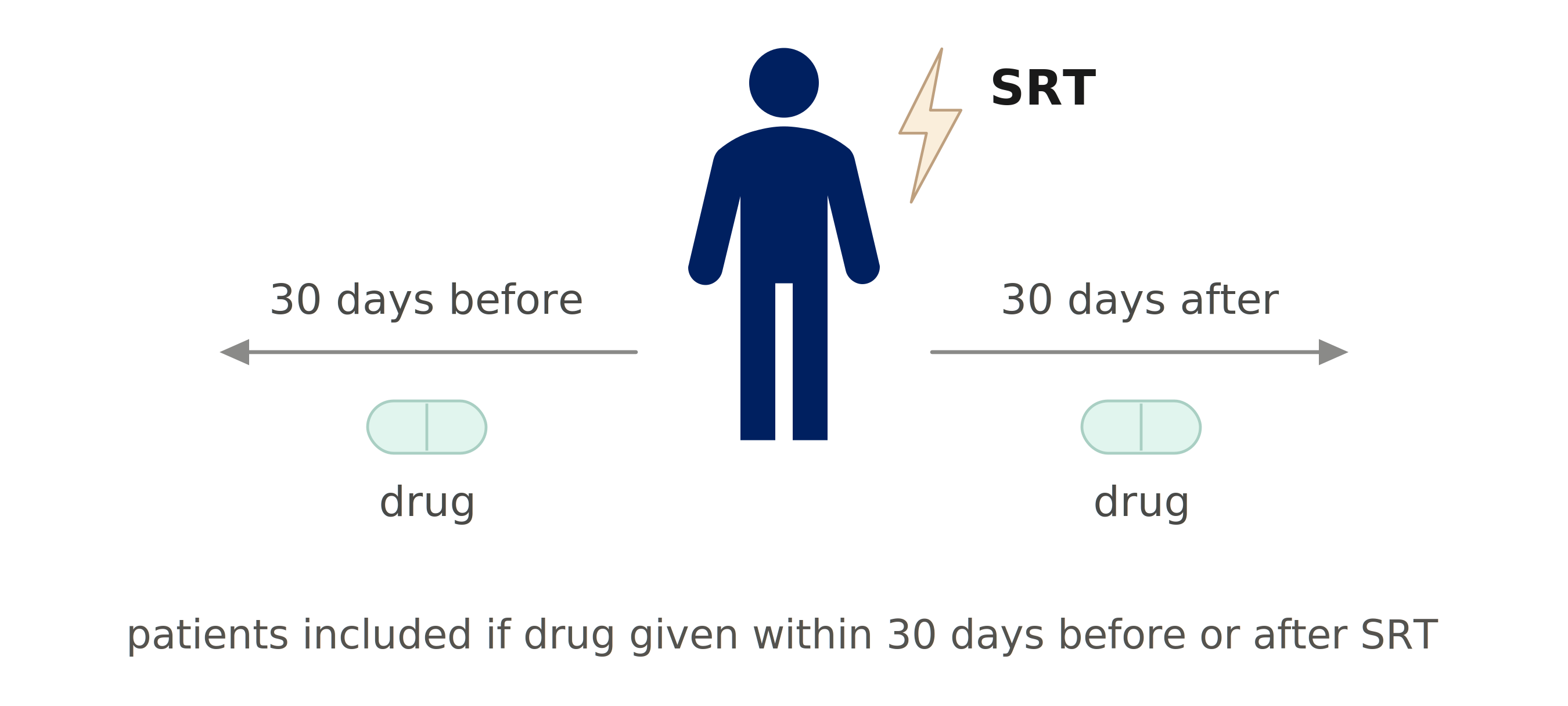
Data: details & interpretation
“...Similarly, BRAF/MEK inhibitors with (mainly brain) SRT within the same month showed a high rate (20.5%) of high-grade RTAEs (albeit in a limited sample size). This is consistent with reports of increased AEs combining conventionally fractionated radiotherapy with BRAF/MEK inhibitors.[1]”
“Two publications[2,3] (one prospective and one retrospective) included 44 patients treated with BRAF/MEK inhibitors within one month of SRT (wmFUP: 17.8). In at least a subset of patients, treatment was paused during SRT, although the exact number was not reported. The rate of hgRTAEs was 20.5% (9/44).
The majority of the patients (n=38; 86.4%) received brain SRT. Within this subgroup, treatment was paused in 12 patients, initiated sequentially after SRT in 10 patients and continued concurrently with SRT in 16 patients. Eight patients (21%) who received brain SRT experienced hgRTAEs. Whether systemic therapy was paused, sequential, or concurrent in the patients who developed AEs was not reported. The remaining five patients received SRT to extracranial sites (abdomen, pelvis and lung). One of these patients experienced a high-grade RTAE.”
References (3)
- 1. Anker CJ, Grossmann KF, Atkins MB, Suneja G, Tarhini AA, Kirkwood JM. Avoiding Severe Toxicity From Combined BRAF Inhibitor and Radiation Treatment: Consensus Guidelines from the Eastern Cooperative Oncology Group (ECOG). Int J Radiat Oncol Biol Phys. Jun 1 2016;95(2):632–46. doi:10.1016/j.ijrobp.2016.01.038
- 2. Looman EL, Kroeze SGC, Schaule J, et al. Adverse Events After Metastases-Directed Stereotactic Radiotherapy and Biological Cancer Therapy. JAMA Netw Open. 2026/01/02/ 2026;9(1):e2553809. doi:10.1001/jamanetworkopen.2025.53809
- 3. Patel BG, Ahmed KA, Johnstone PA, Yu HH, Etame AB. Initial experience with combined BRAF and MEK inhibition with stereotactic radiosurgery for BRAF mutant melanoma brain metastases. Melanoma Res. Aug 2016;26(4):382–6. doi:10.1097/cmr.0000000000000250
Radiobiological rationale for RT–drug interaction
Select a drug to view its individual evidence base (drug + SBRT, no other concurrent systemic drugs). Drugs without available data are shown greyed out.