
PARP inhibitor
| Therapeutic Class | Targeted Therapy |
| Drug Class | PARP inhibitors |
| Mechanism of Action | PARP inhibitor |
| Drugs in group | Olaparib· Niraparib· Rucaparib· Talazoparib |
Data: details & interpretation
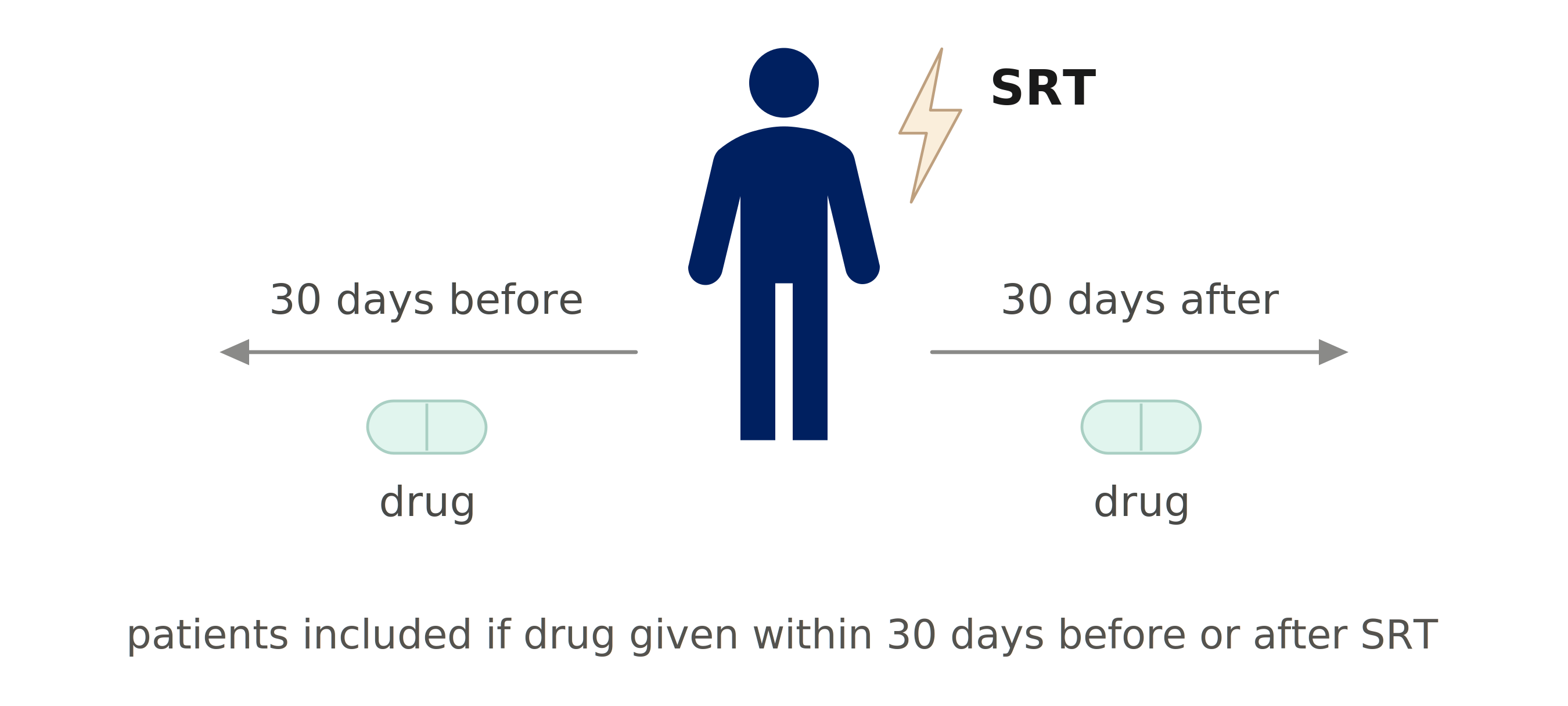
“Our findings show no evidence of excess hgAEs when intra- or extracranial SRT is delivered within one month of sacituzumab govitecan or PARP inhibitors. In contrast, prior publications suggest concomitant intra- or extra-cranial SRT during PARP inhibitors should not be offered[1] or major adaptations should be considered.[2] Yet important to note, the current 2.4% hgRTAE rate (n=3/125) was observed in a population in whom 74% paused their PARP inhibitor during SRT.”
“For poly(ADP-ribose) polymerase (PARP) inhibitors, four publications[3-6] (one prospective and three retrospective) included 125 patients treated with PARP inhibitors within one month of SRT (wmFUP: 20.9mo). Most patients (n=120; 96%) were treated for oligometastatic ovarian cancer and received SRT to various target sites, including brain, lung, liver, lymph nodes and other locations. Twenty-nine patients (23.2%) continued a PARP inhibitor throughout SRT, while 93 (74.4%) paused treatment for a few days before and after SRT. A hgRTAE rate of 2.4% (3/125) was observed.”
References (6)
- 1. Meattini I, Becherini C, Caini S, et al. International multidisciplinary consensus on the integration of radiotherapy with new systemic treatments for breast cancer: European Society for Radiotherapy and Oncology (ESTRO)-endorsed recommendations. Lancet Oncol. Feb 2024;25(2):e73–e83. doi:10.1016/s1470-2045(23)00534-x
- 2. van Aken ESM, Gandhi AK, O'Cathail SM, et al. ESMO-ESTRO consensus statements on the safety of combining radiotherapy with CDK4/6, HER2, PARP, or mTOR inhibitors. Radiother Oncol. Feb 2026;215:111330. doi:10.1016/j.radonc.2025.111330
- 3. Looman EL, Kroeze SGC, Schaule J, et al. Adverse Events After Metastases-Directed Stereotactic Radiotherapy and Biological Cancer Therapy. JAMA Netw Open. 2026/01/02/ 2026;9(1):e2553809. doi:10.1001/jamanetworkopen.2025.53809
- 4. Durante S, Cuccia F, Rigo M, et al. Stereotactic radiotherapy for managing ovarian cancer oligoprogression under poly (ADP-ribose) polymerase inhibitors (PARPi). International journal of gynecological cancer : official journal of the International Gynecological Cancer Society. May 31 2024; doi:10.1136/ijgc-2024-005361
- 5. Kroeze SGC, Schaule J, Fritz C, et al. Metastasis directed stereotactic radiotherapy in NSCLC patients progressing under targeted- or immunotherapy: efficacy and safety reporting from the 'TOaSTT' database. Radiat Oncol. Jan 6 2021;16(1):4. doi:10.1186/s13014-020-01730-0
- 6. Macchia G, Pezzulla D, Campitelli M, et al. Stereotactic Body Radiation Therapy for Oligoprogressive Ovarian Cancer Patients Treated During Poly(ADP-Ribose)-Polymerase Inhibitor Maintenance: Efficacy and Adverse Events From the Epimetheo Retrospective Study. Int J Radiat Oncol Biol Phys. 2025/02/01/ 2025;121(2):465–474. doi:10.1016/j.ijrobp.2024.09.010
Radiobiological rationale for RT–drug interaction
Select a drug to view its individual evidence base (drug + SBRT, no other concurrent systemic drugs). Drugs without available data are shown greyed out.