

anti-HER2 mAb
| Therapeutic Class | Monoclonal Antibodies (mAbs) |
| Drug Class | HER2-Targeting |
| Mechanism of Action | Anti-HER2 antibody |
| Drugs in group | Trastuzumab· Margetuximab· Pertuzumab· Pertuzumab + hyaluronidase· Pertuzumab + trastuzumab + hyaluronidase· Zanidatamab· Zenocutuzumab |
Data: details & interpretation
“For anti-HER(2) mAb, albeit in a limited number of patients, no signal of increased AEs was observed, which is in line with the ESTRO multi-disciplinary consensus that concomitant intracranial radiotherapy with trastuzumab or pertuzumab could be offered.[1]”
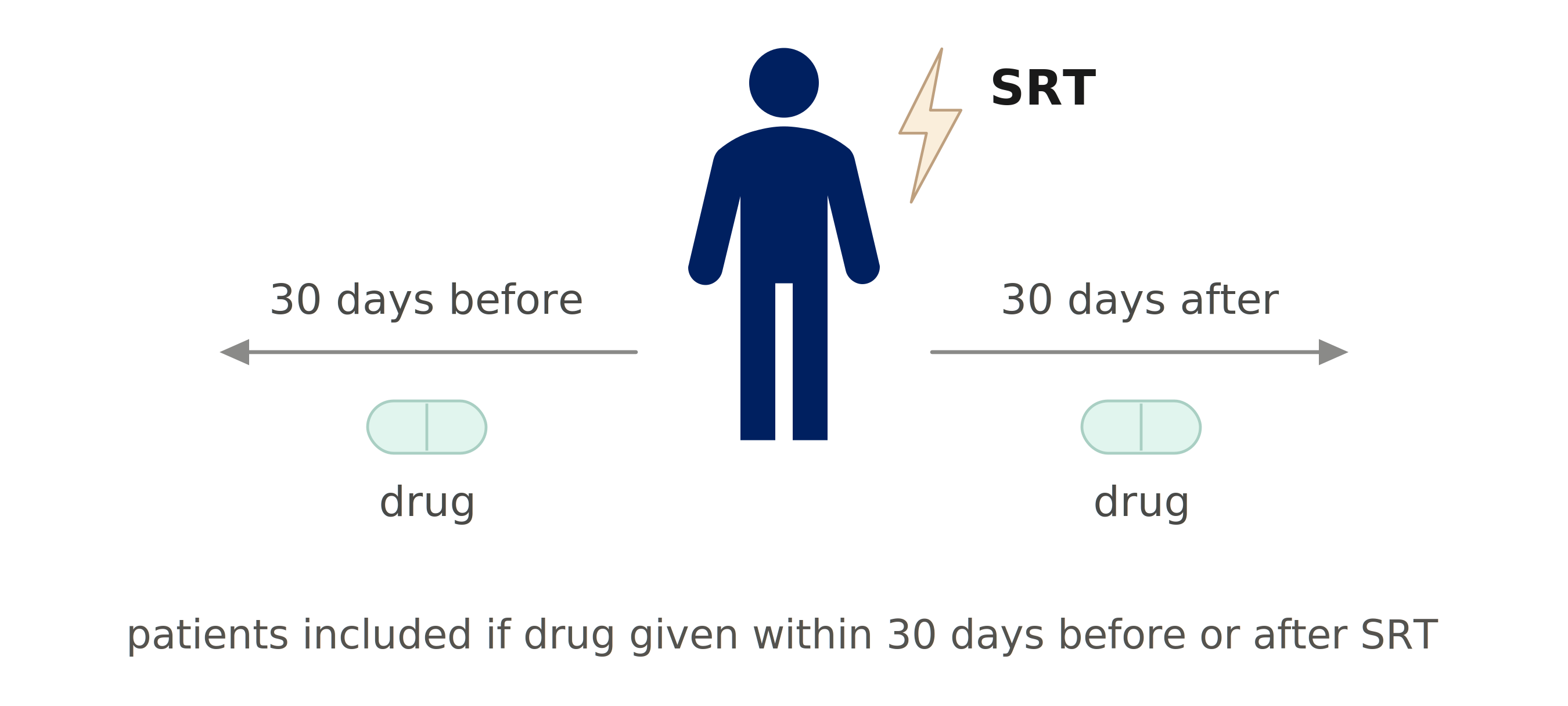
“Two studies[2,3] (one prospective and one retrospective) included 27 patients treated with anti-HER2 mAb within one month of SRT. The drug was paused during SRT in at least four patients. Two patients (7.4%) experienced hgRTAEs. Most patients (n=20; 74%) received intracranial SRT, and both high-grade RTAEs occurred in this subgroup. None of the seven patients treated with SRT to the lung, abdomen or pelvis experienced hgRTAEs.
Although based on few patients, the data do not suggest a substantial increase in AEs with anti-HER2 mAb within one month of SRT.”
References (3)
- 1. Meattini I, Becherini C, Caini S, et al. International multidisciplinary consensus on the integration of radiotherapy with new systemic treatments for breast cancer: European Society for Radiotherapy and Oncology (ESTRO)-endorsed recommendations. Lancet Oncol. Feb 2024;25(2):e73–e83. doi:10.1016/s1470-2045(23)00534-x
- 2. Looman EL, Kroeze SGC, Schaule J, et al. Adverse Events After Metastases-Directed Stereotactic Radiotherapy and Biological Cancer Therapy. JAMA Netw Open. 2026/01/02/ 2026;9(1):e2553809. doi:10.1001/jamanetworkopen.2025.53809
- 3. Ippolito E, Silipigni S, Matteucci P, et al. Stereotactic Radiation and Dual Human Epidermal Growth Factor Receptor 2 Blockade with Trastuzumab and Pertuzumab in the Treatment of Breast Cancer Brain Metastases: A Single Institution Series. Cancers (Basel). Jan 8 2022;14(2) doi:10.3390/cancers14020303
Radiobiological rationale for RT–drug interaction
Select a drug to view its individual evidence base (drug + SBRT, no other concurrent systemic drugs). Drugs without available data are shown greyed out.