ADC
| Therapeutic Class | Antibody-Drug Conjugates (ADCs) |
| Mechanism of Action | Nectin-4 targeting ADC |
| Drugs in group | Sacituzumab Govitecan· Trastuzumab Deruxtecan· Trastuzumab Emtansine· Datopotamab Deruxtecan· Enfortumab Vedotin· Mirvetuximab Soravtansine· Telisotuzumab vedotin· Tisotumab Vedotin |
Data: details & interpretation
“Our findings show no evidence of excess hgAEs when intra- or extracranial SRT is delivered within one month of sacituzumab govitecan.”
“Although based on only 19 patients, trastuzumab-emtansine with intracranial SRT within the same month showed a high rate (31.6%) of high-grade RTAEs. Although based on few patients and lacking sequencing data, these findings warrant caution when combining trastuzumab emtansine with SRT, particularly intracranially. This correlates with the ESTRO-multi-disciplinary consensus, which suggests concomitant intracranial radiotherapy should not be offered with trastuzumab emtansine.[1]”
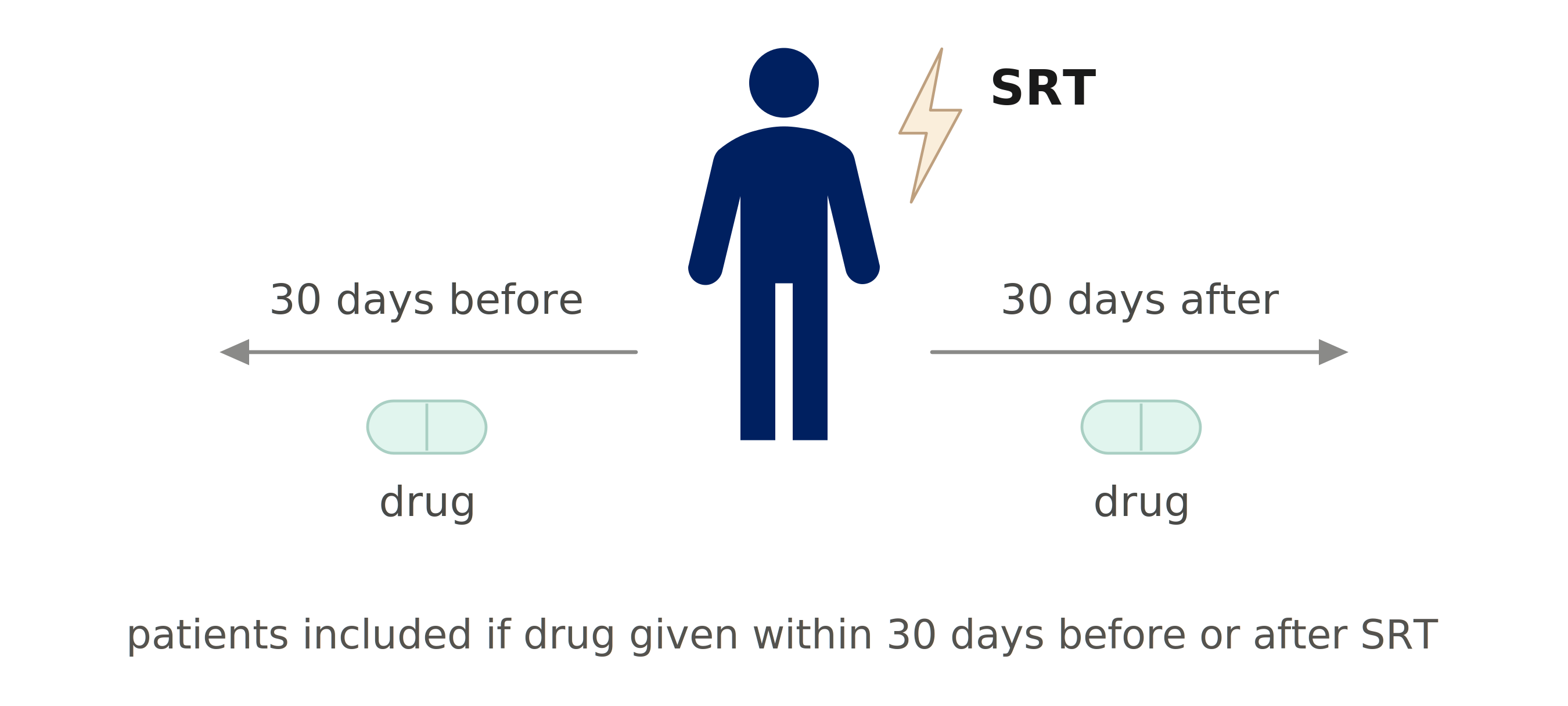
“For antibody-drug conjugates (ADCs), six publications[2-6] [7] (two prospective and four retrospective) included 105 patients treated with ADCs within one month of SRT (wmFUP: 14.1mo). The ADCs evaluated were trastuzumab deruxtecan, trastuzumab emtansine and sacituzumab govitecan. HgRTAEs occurred in 10.5% (11/105). Fifty-eight patients (55.2%) received intracranial SRT; of whom 15.5% (9/58) experienced hgRTAEs. No increased AE rate was noted for sacituzumab govitecan or trastuzumab deruxtecan (Fig 4a; Supplementary file).
However, 19 patients received brain SRT within one month of trastuzumab emtansine,[2,4] of whom six patients (31.6%) experienced hgRTAEs. Treatment scheduling was not reported, so it is unclear how many received trastuzumab emtansine concurrently, sequentially, or with treatment interruption.”
“In two studies[5,6] all patients received SRT after initiation of ADC without pausing the drug. Specifically, 22 patients received trastuzumab deruxtecan with SRT to intracranial or extracranial metastases, and 26 received sacituzumab govitecan with brain SRT. Among these 48 patients, one patient (2%) experienced a hgRTAE, consisting of grade 3 radiation necrosis following trastuzumab deruxtecan and brain SRT. In the remaining studies, at least a subset of patients completed SRT before initiation of ADC therapy.
Fifty-one patients[7] [5] received sacituzumab govitecan within one month of SRT, of whom one patient (2%) experienced hgRTAE.
Twenty-two patients received trastuzumab deruxtecan within one month of SRT.[6] One patient (4.5%) developed late grade 3 radiation necrosis.”
References (7)
- 1. Meattini I, Becherini C, Caini S, et al. International multidisciplinary consensus on the integration of radiotherapy with new systemic treatments for breast cancer: European Society for Radiotherapy and Oncology (ESTRO)-endorsed recommendations. Lancet Oncol. Feb 2024;25(2):e73–e83. doi:10.1016/s1470-2045(23)00534-x
- 2. Looman EL, Kroeze SGC, Schaule J, et al. Adverse Events After Metastases-Directed Stereotactic Radiotherapy and Biological Cancer Therapy. JAMA Netw Open. 2026/01/02/ 2026;9(1):e2553809. doi:10.1001/jamanetworkopen.2025.53809
- 3. Lebow ES, Eichholz J, Zhang Z, et al. Local Therapy for Isolated Central Nervous System Progression Among Patients Receiving Antibody-Drug Conjugate Therapy. Adv Radiat Oncol. 2025/03//undefined 2025;10(3):101714. doi:10.1016/j.adro.2025.101714
- 4. Stumpf PK, Cittelly DM, Robin TP, et al. Combination of Trastuzumab Emtansine and Stereotactic Radiosurgery Results in High Rates of Clinically Significant Radionecrosis and Dysregulation of Aquaporin-4. Clinical cancer research : an official journal of the American Association for Cancer Research. Jul 1 2019;25(13):3946–3953. doi:10.1158/1078-0432.Ccr-18-2851
- 5. Khatri VM, Mestres-Villanueva MA, Daniel S, et al. Sacituzumab govitecan and stereotactic radiosurgery in the management of HER2 negative breast cancer brain metastases: a multi-institutional report. J Neurooncol. 2025/12//undefined 2025;175(3):1435–1441. doi:10.1007/s11060-025-05230-7
- 6. Ippolito E, Benincasa M, Pantano F, et al. Breast CancerTrastuzumab-deruxtecan and radiotherapy: a safety sub-analysis of combart prospective cohort study. The oncologist. 2025/09/01/ 2025;30(9) doi:10.1093/oncolo/oyaf229
- 7. Alati A, Debbi K, Scher N, et al. Multicenter Retrospective Analysis of the Safety and Efficacy of Sacituzumab Govitecan Combined With Radiation Therapy: The French ATTENTION Study. Int J Radiat Oncol Biol Phys. 2025/12/12/ 2025:S0360–3016(25)06578–2. doi:10.1016/j.ijrobp.2025.11.060
Radiobiological rationale for RT–drug interaction
Select a drug to view its individual evidence base (drug + SBRT, no other concurrent systemic drugs). Drugs without available data are shown greyed out.